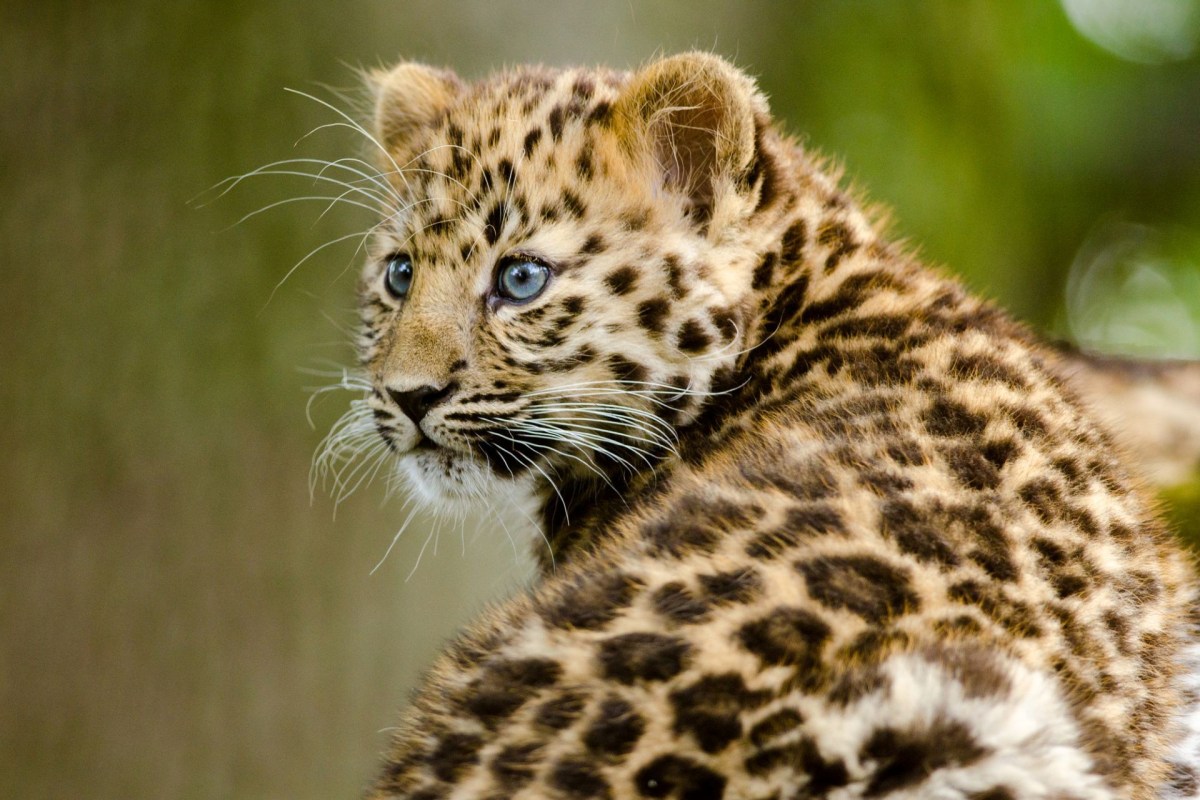
A critically endangered big cat has made history in Ohio.
An Amur leopard cub born at Cleveland Metroparks Zoo has set a first for Ohio zoos, a significant development for a species thought to have fewer than 100 animals left in the wild.
What happened?
The cub was born just after midnight on July 1 in Cleveland Metroparks Zoo's Asian Highlands area to 5-year-old mother Marta and 4-year-old father Sylas.
The arrival marks the zoo's first Amur leopard birth in its 144-year history and, according to GlobeNewswire, no other Ohio zoo has recorded one either.
Zoo staff said Marta and the cub have been spending time together behind the scenes and are being closely watched.
Keepers have already seen the cub feeding, being cleaned by Marta, and moving on its own, though visitors will need to wait several more weeks before it goes on view.
TCD Picks » Good Store Spotlight
Get 10% off your next purchase with code TCD10




Because Amur leopards are typically solitary, Sylas is still visible to visitors while Marta remains with the cub. The cub's sex has not yet been confirmed.
The birth comes just weeks after a red panda cub was also born in Asian Highlands on June 21.
Why does it matter?
Few wild cats are as scarce as the Amur leopard.
Its wild population is limited to a small part of southwestern Primorye in Russia, where threats include poaching, forest exploitation, expanding infrastructure, and climate-related pressures.
TCD Picks » Quince Spotlight
💡These best-sellers from Quince deliver affordable, sustainable luxury for all




Cleveland Metroparks Zoo noted that accredited zoos worldwide house only about 200 to 300 Amur leopards, so managed breeding plans are important for protecting genetic diversity.
Biodiversity helps ecosystems stay resilient, and strong ecosystems are linked to cleaner air, more stable natural systems, and stronger local economies built around science, stewardship, and responsible tourism.
What's being done?
The cub's birth is part of the Association of Zoos & Aquariums' Amur Leopard Species Survival Plan, which coordinates breeding to sustain healthy, genetically diverse populations of endangered animals in human care.
Cleveland Metroparks Zoo has also supported conservation work beyond its own campus.
The zoo has contributed more than $50,000 since 2013 to Amur tiger conservation initiatives that also help Amur leopards in their native habitat.
Efforts to protect forests, reduce poaching, and support field interventions can help multiple threatened species at the same time.
The zoo said it plans to share updates on Facebook and Instagram and later offer a chance to help name the cub in support of Amur leopard conservation efforts.
As Cleveland Metroparks Zoo Executive Director Dr. Chris Kuhar put it, "The birth of this Amur leopard cub is an extraordinary milestone for Cleveland Metroparks Zoo and a meaningful contribution to the long-term sustainability of the Amur leopard population in human care."

Get TCD's free newsletters for easy tips, smart advice, and a chance to earn $5,000 toward home upgrades. To see more stories like this one, change your Google preferences here.