An Idaho horseback rider stumbled upon a black wolf in the woods while taking their mules on a trail.
They captured a video of the brief standoff, zooming in on the wolf's reactions while remaining vigilant and holding their ground.
What's happened?
The video, shared to TikTok by Brute Cameron (@Bcameron727), shows a first-person point of view of the rider atop one mule as they stare out at a stark black figure.
@bcameron727 Long story short: After meeting the wolf on the trail, the two mules (Petey and Molly) along with the rider had a stare down with the wolf. At one point the wolf did get closer then promplty turned and left. The mules as far as we know have never encountered a wolf before. The rider (Brute) on the other hand has had a few close encounters with wolves while on foot and riding mules in the wilderness. Instagram-brutecameron1996 CameronOutfitters #idaho #wilderness #wolf #fyp ♬ original sound - Bcameron
Zooming in, Cameron learns that the wild animal in front of them is a black wolf, whose eyes are fixed intently on the group, showing interest and curiosity.
"At one point the wolf did get closer then promptly turned and left," the rider shared in the video's description.
Cameron added that the mules had never encountered a wolf before on the riding trails.
Although the standoff was brief and resulted in an amicable parting of ways, commenters pointed out that wolves don't often travel alone.
"Don't be worried about him," one commenter warned. "Be worried about the five or six you can't see or hear."
"Until you actually see one in person, you'll never understand the actual size!" another commenter wrote. "Makes your hair stand on end, but gorgeous nonetheless."
Why are human-wildlife interactions concerning?
Close encounters between humans and wildlife, like this standoff between the horseback rider and the wild wolf, are becoming more frequent as humans continue to encroach on wildlife habitats.
TCD Picks » Upway Spotlight
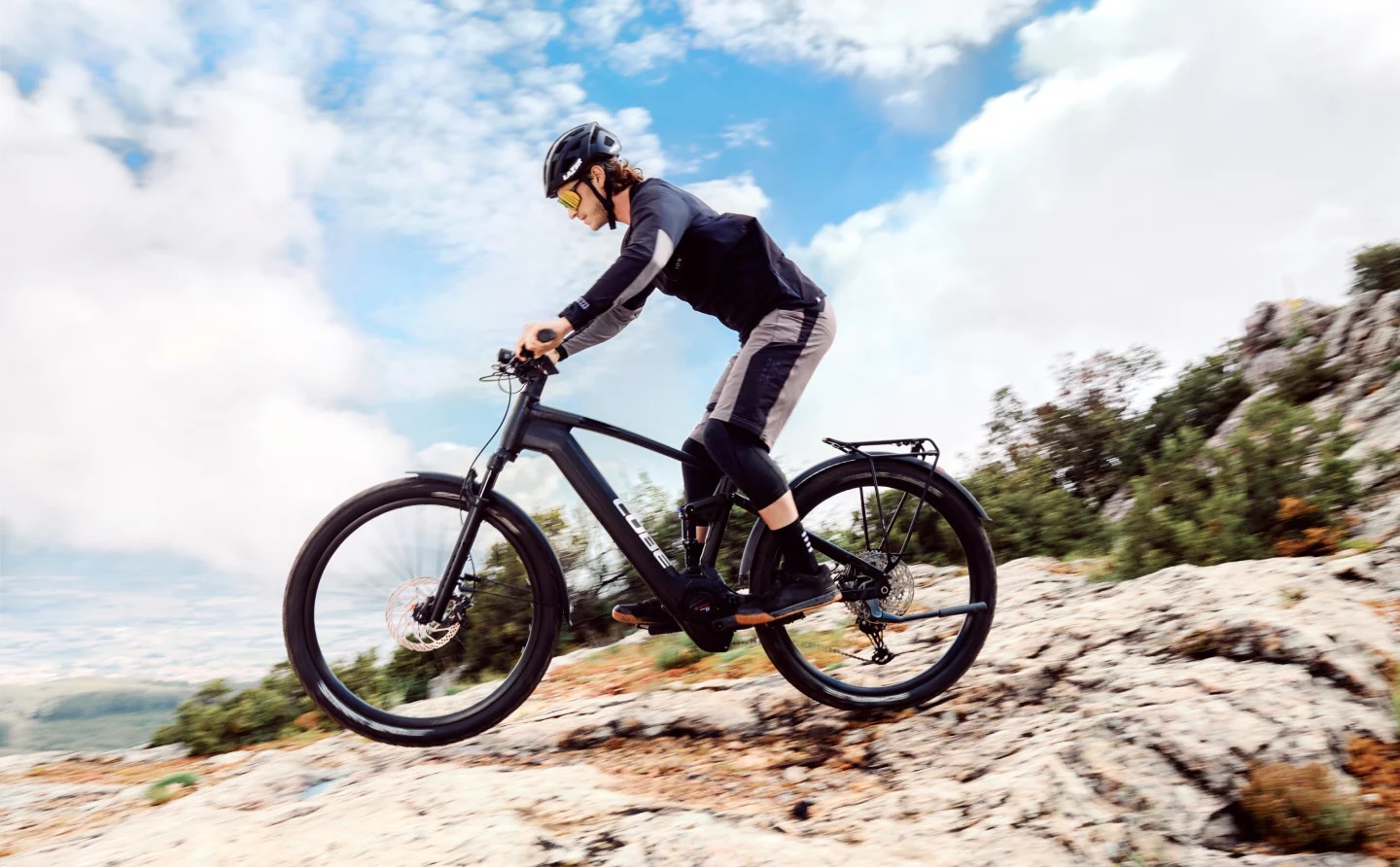
💡Upway makes it easy to find discounts of up to 60% on premium e-bike brands




|
Do you think America does a good job of protecting its natural beauty? Click your choice to see results and speak your mind. |
 Definitely 👍
 Meanwhile, extreme weather events, driven by burning dirty fuels threaten wildlife's food and resources.
Habitat destruction causes land fragmentation, displacing wildlife and forcing animals to navigate changed landscapes in search of food, water, and shelter.
These changes affect a species' ability to survive, which can lead to biodiversity loss or increased human-wildlife encounters.
One hiker had a scary encounter with a bull moose while hiking through Glacier National Park in Montana. In rural North Dakota, a homeowner found a coyote had entered his garage. It was swiftly cornered by his three dogs before it was shot and killed.
What can we do to reduce human-wildlife interactions?
Aside from taking proactive measures at home or in natural spaces to minimize human-wildlife encounters, such as securing outdoor food supplies and trash, you can take additional steps.
Encouraging legislators and governments to pursue habitat restoration projects and halt projects that threaten natural spaces creates a safer, more abundant environment for wildlife to thrive.
Increasing public education on how to respond and behave in wildlife encounters can also help minimize the risk of harm, ensuring both people and animals walk away unscathed.

💰Get TCD's free newsletters for easy tips to save more, waste less, and make smarter choices — and earn up to $5,000 toward clean upgrades in TCD's exclusive Rewards Club.
Cool Picks