


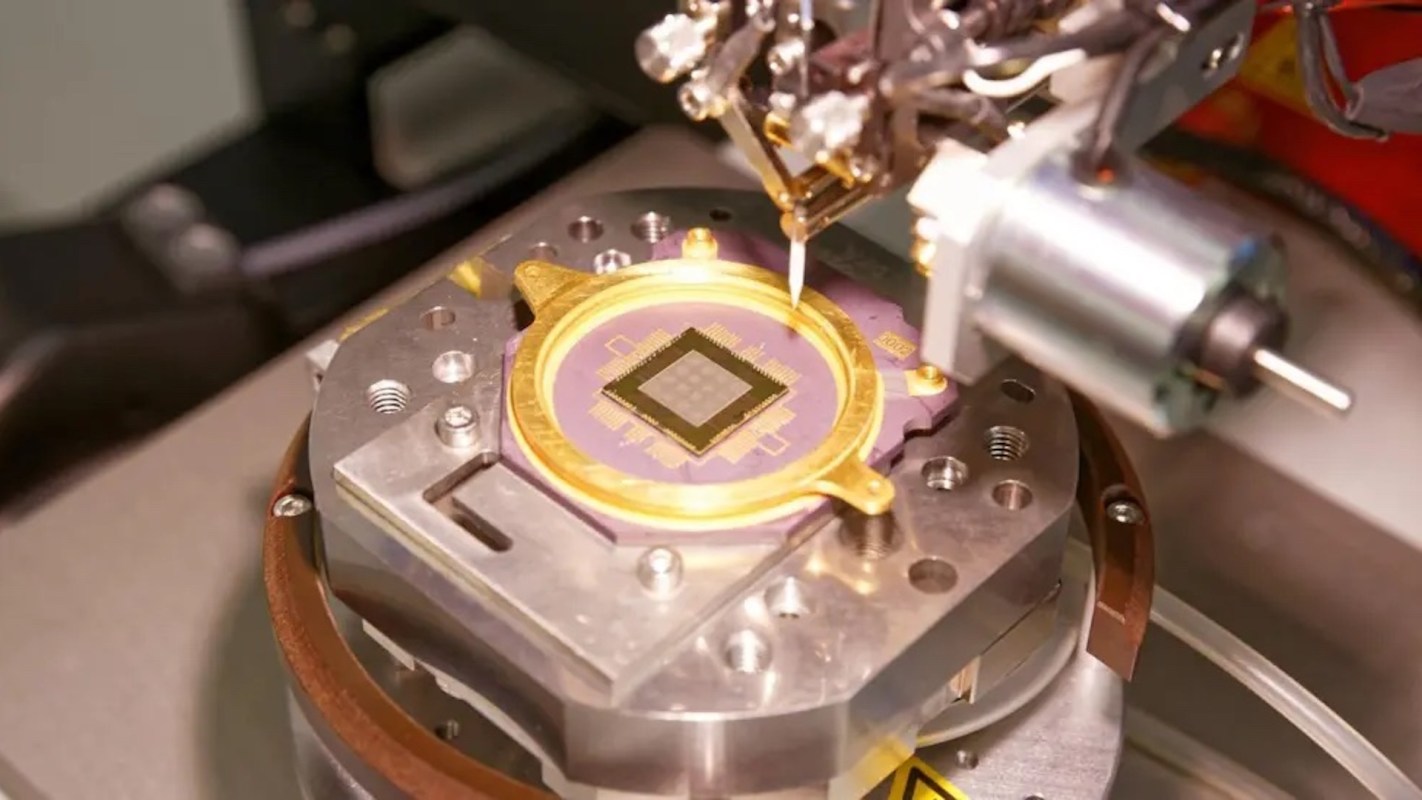
A new satellite instrument is now orbiting Earth, sending back data that could transform how scientists forecast dangerous weather, according to the BBC.
The sensor system, designed in Southampton by aerospace company Leonardo, was launched last month aboard a European Space Agency satellite from French Guiana. According to the company, it is already providing information that can help meteorologists predict storms and other extreme events with greater speed and precision.
Before launch, the technology underwent testing at the Rutherford Appleton Laboratory in Oxfordshire. Leonardo said the project was driven by the rising urgency to improve forecasting as severe weather events become more common worldwide, per the BBC.
"Severe weather events have provided incredible motivation to our scientists to improve our technology to safeguard people's lives," said Matthew Hicks, space capability manager at Leonardo, per the BBC. He said that the system supports "nowcasting," a technique that offers near real-time updates of conditions on the ground.
The sensors are part of the IASI-NG instrument, which was built by Airbus Defence and Space in Toulouse. By offering sharper and more detailed measurements, the system is expected to extend forecast accuracy up to 10 days. It is also designed to strengthen coverage in polar regions, where traditional satellites often struggle.
In addition to its role in daily weather reports, the technology will contribute to long-term climate research. It can detect pollutants such as ozone, methane, and nitrogen dioxide, providing data to track planet-warming gases and support studies on air quality, according to the BBC.
TCD Picks » Quince Spotlight
💡These best-sellers from Quince deliver affordable, sustainable luxury for all




For everyday people, improved forecasting could mean more warning before severe storms hit, safer travel decisions, and better protection for homes and businesses. For the planet, it offers a new way to monitor planet-warming gas pollution and support efforts to understand and respond to climate change.
"Leonardo's cutting-edge sensor technology, now orbiting Earth aboard ESA's METOP-SG satellite, demonstrates how British engineering in space is helping to protect lives on Earth and deepen our understanding of climate change," said Dr. Paul Bate, chief executive of the UK Space Agency, per the BBC.
"This significant achievement will help to empower meteorologists worldwide with the data they need to forecast extreme weather and safeguard communities," he added.
|
Who should be paying for space exploration? Click your choice to see results and speak your mind. |
 The government 🏛️
Join our free newsletter for weekly updates on the latest innovations improving our lives and shaping our future, and don't miss this cool list of easy ways to help yourself while helping the planet.






