Toyota has announced plans to launch what it calls the world's first practical, all-solid-state battery electric vehicle by 2027-28, per Electrek. The long sought-after technology could deliver greater driving ranges, faster charging times, and longer battery life than current electric vehicles.
The automaker formed a partnership with Sumitomo Metal Mining Co. to mass-produce cathode materials for the advanced battery technology.
Toyota stated the duo is looking "to achieve the world's first practical use of all-solid-state batteries in BEVs," positioning the development as a watershed moment for the automotive industry.
All-solid-state batteries — which Electrek called "the holy grail of EV tech" — use solid materials instead of liquid electrolyte solutions, creating a system that uses a cathode, an anode, and a solid electrolyte. Per Toyota, this "next-generation battery technology … offers the potential for smaller size, higher output, and longer life."
The companies have collaborated on cathode materials since 2021, focusing on overcoming major challenges in mass production. Using Sumitomo Metal Mining's proprietary power synthesis technology, Toyota developed what it described as a "highly durable cathode material" uniquely designed for all-solid-state batteries.
Other automakers have also been racing to get this technology to market. Mercedes-Benz said in February that it "brought the first car powered by a lithium-metal solid-state battery to the road." An EQS equipped with solid-state batteries traveled for nearly 750 miles, according to Electrek.
These developments are even more good news for potential EV owners, as the vehicles already reduce harmful pollution and all but eliminate the need for complex maintenance. EVs run quieter than gas-powered vehicles, too, improving the quality of life in communities.
TCD Picks » EDF Spotlight
💡EDF's Vital Signs newsletter delivers stories about game-changing solutions close to home and around the world

It's true that battery manufacturing requires mining minerals, but the scale at which this takes place is much smaller than for fossil fuel extraction. The clean energy transition requires around 30 million tons of minerals annually compared to the 16.5 billion tons of dirty fuels extracted per year, per Hannah Ritchie's Sustainability by Numbers.
Battery materials can also be recycled and reused, while fossil fuels are burned once and disappear into the atmosphere.
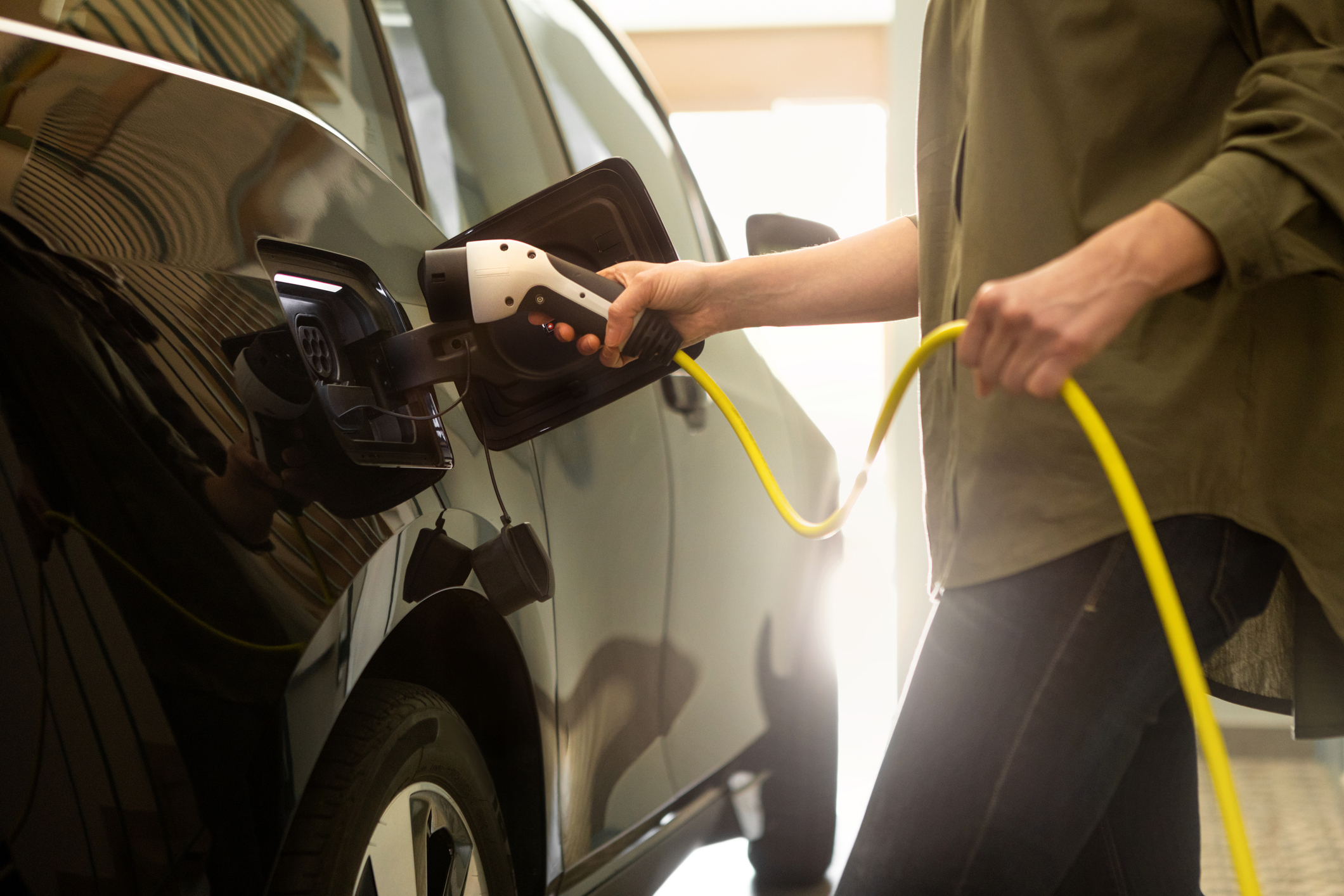
Other EV benefits include charging at home, which costs a lot less than using public chargers. Qmerit helps homeowners interested in Level 2 EV chargers with free, instant installation estimates. Installing solar panels lowers your costs even more, and TCD's Solar Explorer connects you with trusted installers to save up to $10,000.
|
Would you buy an EV if it only took you five minutes to charge? Click your choice to see results and speak your mind. |
 Sign me up 👍
💰Get TCD's free newsletters for easy tips to save more, waste less, and make smarter choices — and earn up to $5,000 toward clean upgrades in TCD's exclusive Rewards Club.
Cool Picks