


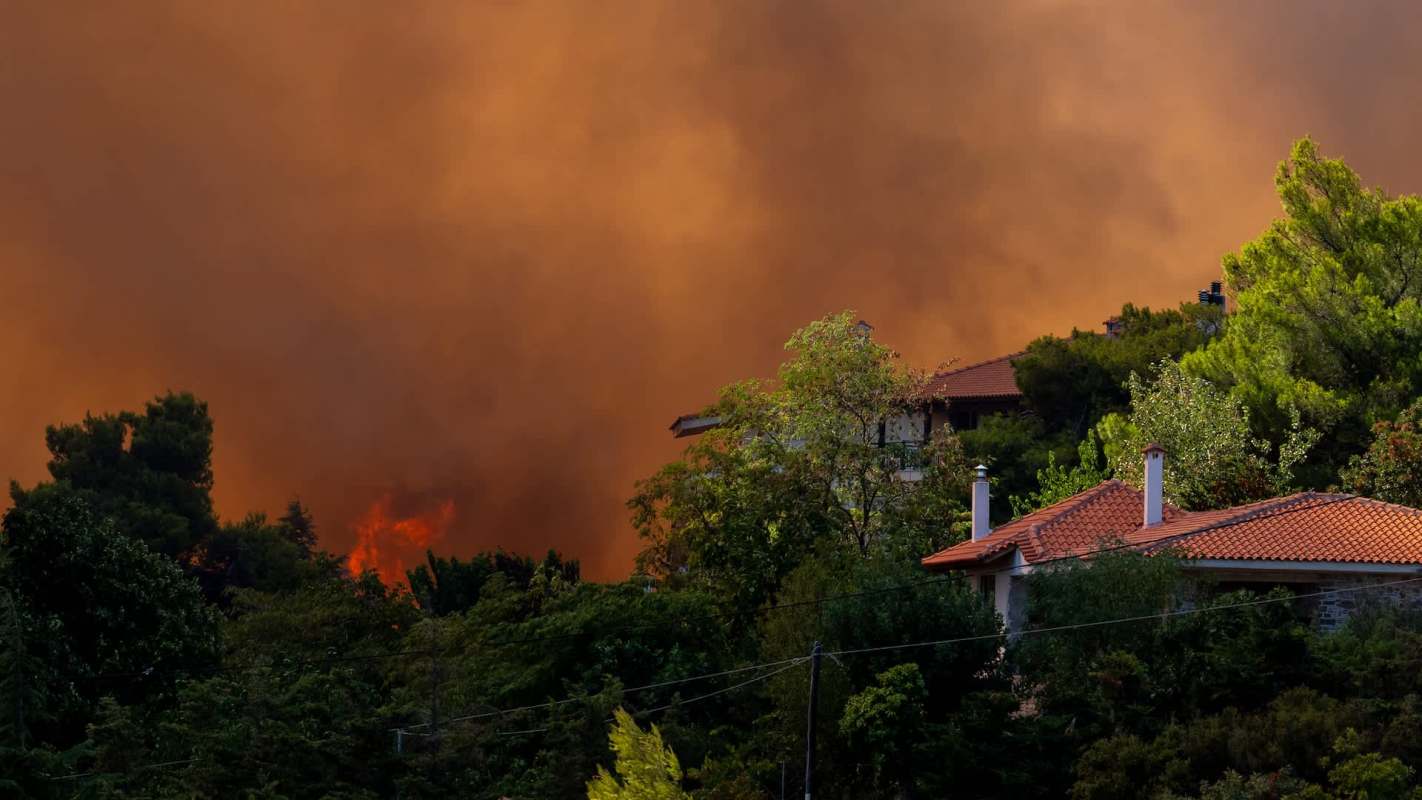
Climate change is sometimes seen as a distant crisis or someone else's problem. However, a stark warning highlighted by Novara Media pushes back on that comforting fiction. Environmental lawyer Tessa Khan stressed that no neighborhood, paycheck, or political belief can fully shield people from a destabilized planet.
That is part of what makes the message so unsettling — and so urgent for communities already carrying the heaviest burden.
Here's what to know
Novara Media posted a video to Instagram this week from its Downstream show featuring Aaron Bastani in a conversation with environmental lawyer and green transition expert Tessa Khan.
In the post, Khan said, "There is no world in which you can escape the effects of climate change. Even if you don't believe in climate change, climate change is coming for you."
The impacts of our planet overheating, which fuels more extreme weather events, are often felt the most by low-income communities, such as how food shortages cause price spikes. However, Bastani and Khan discuss the reality that everyone is affected by these disasters.
"I think on the left, we try and center the people who are most at risk. So we talk about people in the Global South, we talk about the very poorest people," Bastani said. "But often when I see stuff like the California wildfires, I say, no, we should center the rich. Let's center the experience of multi-millionaires and even billionaires who are having to flee their homes because of climate change-related extreme weather events."
TCD Picks » Quince Spotlight
💡These best-sellers from Quince deliver affordable, sustainable luxury for all




Khan agreed with his sentiment and replied, "Yeah, your wealth doesn't protect you."
Ultimately, while having more money certainly makes it easier for someone to weather financial setbacks, losing a home to a wildfire directly, breathing in smoke from one in Canada, or experiencing a hurricane worsened by warmer ocean temperatures that are scientifically proven to provide hurricanes with more power? Those aren't always things a bank account can magically solve.
Unfortunately, the list goes on of issues that can be worsened by hotter average temperatures, a trend that 99.9% of scientific papers agree upon and also agree is at least partially caused by human activity, as pollution like carbon dioxide effectively thickens the insulation of the atmosphere and thus holds in heat.
It's fair to say most climate-linked problems are unlikely to directly threaten the life of any specific rich (or poor) person chosen at random over the next decade.
But it's also fair to say that anyone who recognizes the importance of keeping the world in safe condition for future decades and generations can also understand that money can only go so far to counteract the effects if average temperatures continue to rise — and thus the hottest days get hotter and, for that matter, the coldest days don't last as long toward keeping ice in the form of ice.
Those changes sound amorphous, but Khan and Bastani are making the point that they would have consequences that can and will affect everyone in one way or another, regardless of how rich they are.
Where can I learn more?
As temperatures rise, the planet is edging closer to more dangerous thresholds. The effects also show up in everyday life, from workplace safety risks to the growing anxiety many young people feel about the future.
• At NASA, James Hansen warned a catastrophic threshold is near as temperatures rise.
• Across workplaces, experts warn climate change is endangering safety for women facing extreme heat.
• The Lancet has shown future anxiety is spreading as young people confront climate disruption.

Get TCD's free newsletters for easy tips, smart advice, and a chance to earn $5,000 toward home upgrades. To see more stories like this one, change your Google preferences here.






