


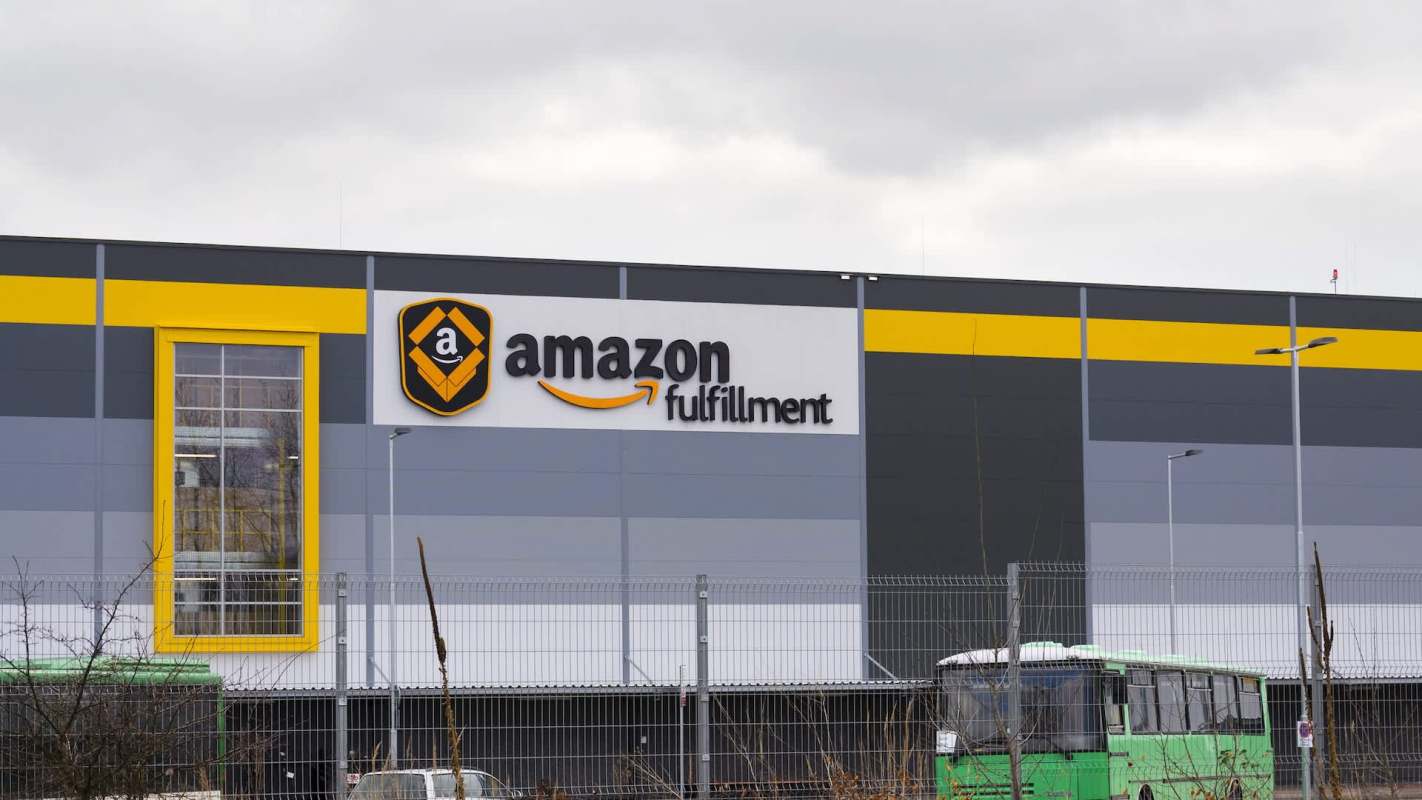
Amazon is reportedly developing a highly automated version of its delivery stations, the final warehouse stop before packages go out with drivers, in a move that could shift more of one of shipping's most hands-on tasks from people to machines.
Business Insider reported that a program known internally as Project Tetromino would aim to build "fully automated" delivery stations, with package-sorting speed estimated at roughly 2.5 times Amazon's existing design.
Here's what to know
At issue is the delivery station, the last warehouse stop before an order goes out with a driver. As Business Insider detailed, these sites receive parcels from fulfillment centers and organize them for dispatch.
The planning document reviewed by the publication mapped out a $103 million pilot for 2028, then five additional facilities in 2029 and 10 more in 2030. It estimated about $85 million per site for the 2029 group, which would put planned spending above $530 million by the end of that year.
Amazon said that outline does not match its current plans. In comments to Business Insider, a spokesperson described Tetromino as an "early-stage concept" and said the road map and cost figures in the document were inaccurate.
If pursued, Tetromino would extend Amazon's automation drive into delivery-station jobs that involve sorting parcels, arranging their sequence, and getting them loaded for the final leg.
TCD Picks » Quince Spotlight
💡These best-sellers from Quince deliver affordable, sustainable luxury for all




More background
Those facilities have proved tougher to mechanize than many other warehouse environments. Putting packages in the right order for drivers and vans is a variable process, unlike more repetitive production-line work.
Project Tetromino's name may nod to Tetris and the problem of packing items efficiently. The same planning document pointed to Boxbot, an AI and robotics startup whose equipment moves packages using conveyors and trays before AI retrieval tools pull them in delivery order for outbound trips. Boxbot said on its website that its technology can make vehicle loading up to 10 times faster.
Amazon is not alone in pursuing this technology. According to Business Insider, FedEx is expanding its deployment of AI-powered Dexterity robots to load trailers, while UPS and DHL have also used robots for unloading tasks. Amazon also announced delivery-station pilots in Europe under a €700 million facilities investment that included machines for unloading, sorting, and scanning packages.
Faster and more consistent deliveries are one potential outcome, but jobs in these facilities could fall dramatically as machines take over more of the physically repetitive work.
What's being done?
Tetromino fits into a wider automation campaign at Amazon. On the company's July earnings call, it said its fleet of robotic arms should be more than twice as large in 2026.
Amazon robotics chief Tye Brady said that robots are meant to make frontline work safer and more efficient, though Business Insider reported that the company has projected some warehouse robots could slow hiring growth over the next decade.
AI can help companies optimize delivery routes, cut waste, and better align power use with cleaner energy on the grid. At the same time, AI systems, robotics fleets, and the computing infrastructure that supports them can require substantial electricity and water, while also raising security risks, misuse concerns, and the possibility that rising power demand could contribute to higher utility costs for communities.
Projects like Tetromino illustrate how AI may reshape supply chains, labor, and resource use all at once.

Get TCD's free newsletters for easy tips, smart advice, and a chance to earn $5,000 toward home upgrades. To see more stories like this one, change your Google preferences here.






