


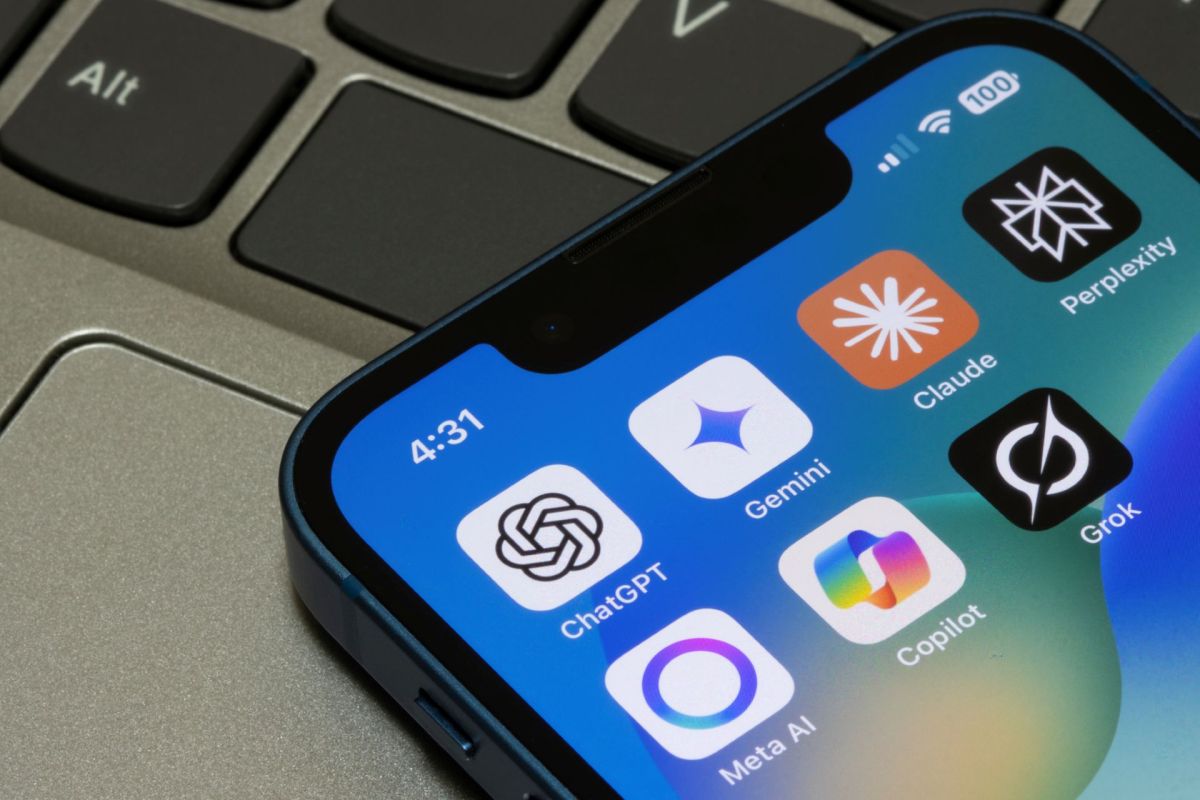
Four nonprofit groups are using major AI developers' own warnings about catastrophic risks to support a lawsuit aimed at stopping the companies from building more powerful systems.
Here's what to know
Public Citizen, the Irreplaceable Education Fund, the Alliance for Secure AI, and Heat Initiative filed the case in San Francisco Superior Court on Nov. 12, according to The Latin Times. The defendants are Google, Anthropic, OpenAI, Meta Platforms, and SpaceXSI, SpaceX's AI division.
The groups say the companies violate California's Unfair Competition Law by developing systems that could cause catastrophic harm without adequate safeguards. The law prohibits unlawful, misleading, or unfair business conduct.
Their public nuisance claim rests on alleged threats to public health and interference with property, including computer systems.
As The Latin Times noted, Anthropic CEO Dario Amodei has publicly put the chance of AI causing catastrophic harm at roughly 25%. Elon Musk, the business leader linked to SpaceXSI, SpaceX's AI division, issued a 2023 warning about "civilization destruction."
"No other industry is allowed to treat its own development of unsafe products—much less ones that could kill us all—as inevitable," the plaintiffs wrote, per JURISTnews.
TCD Picks » Quince Spotlight
💡These best-sellers from Quince deliver affordable, sustainable luxury for all




More background
The complaint also cites incidents in which AI agents allegedly accessed third-party computer systems without authorization.
Brendan Steinhauser, the Alliance for Secure AI's founder and CEO, described the AI tools as "escaping their sandboxes" and breaking into other systems without human direction.
AI could help optimize clean energy systems, support medical research, drive economic growth, and otherwise improve quality of life in myriad ways.
However, upheaval in the labor market has sparked concerns about AI integration and the potential for misuse, while the data centers that run AI systems require massive amounts of electricity, and cooling those facilities can consume large volumes of water.
What's being done?
The requested injunction would directly affect the companies' advanced research by prohibiting development of systems more powerful than their existing offerings. The nonprofits are not asking for monetary damages, according to The Latin Times.
Even a partial victory could bring AI development within the reach of existing consumer protections, potentially encouraging similar lawsuits elsewhere.
Meta declined to comment to The Latin Times. Requests to Google, SpaceXSI, Anthropic, and OpenAI went unanswered.
Phil Aroneanu, the Irreplaceable Education Fund's founder and executive director, emphasized that an effective order would need to specify "what work has to halt, how compliance is verified." It would also need to establish clear penalties for companies that violate it.

Get TCD's free newsletters for easy tips, smart advice, and a chance to earn $5,000 toward home upgrades. To see more stories like this one, change your Google preferences here.






