


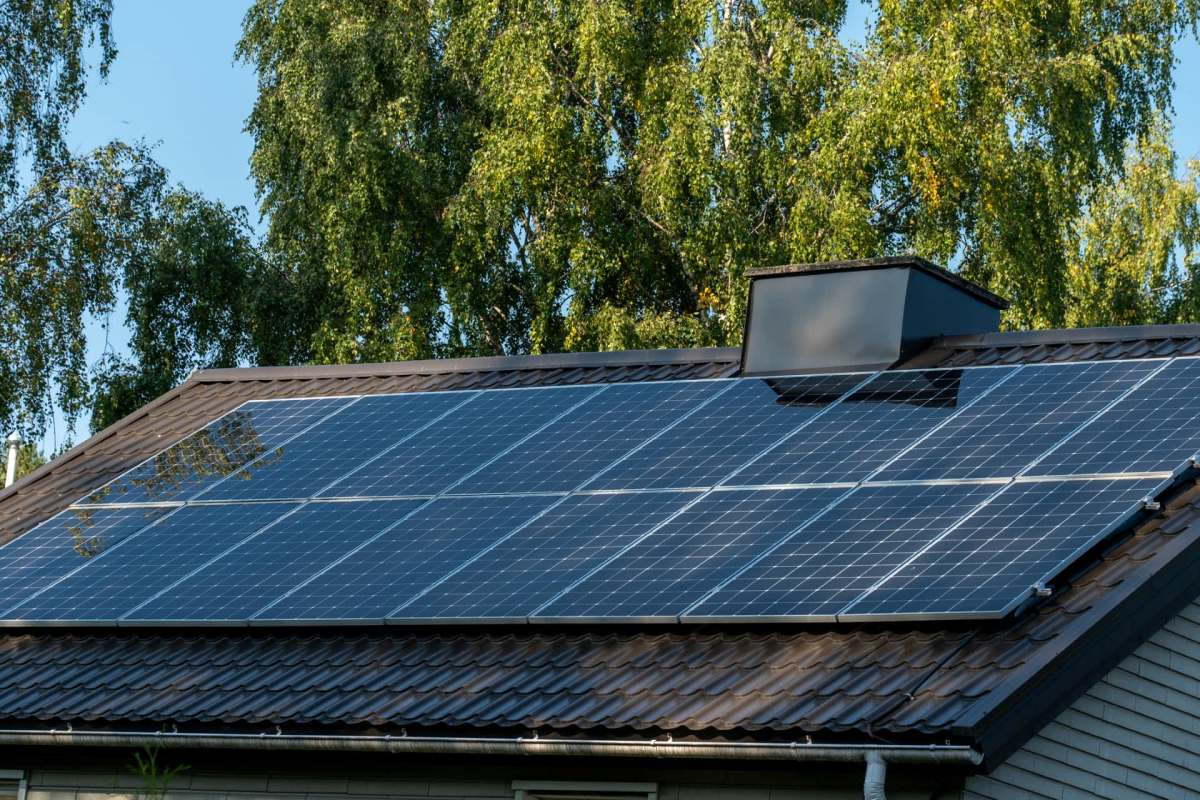
A New York homeowner thought a new solar array and battery would slash their electric bill to almost nothing. Instead, when they received their first bill after bringing their system online, the amount due had increased.
The situation raised an important question for homeowners bringing a new solar system online: Can solar actually make your bill worse before permission to operate is finalized?
The homeowner turned to Reddit looking for answers.
Here's what to know
Posting in the r/solar subreddit, the homeowner explained that they brought their new solar-and-battery system online on Aug. 1. Their system included 17.94 kilowatts of solar production and a Tesla Powerwall 3 battery.
Crushed by your bills? See instant solar savings from vetted installers in just a few clicks With energy prices through the roof, there's never been a better time to go solar — and EasyHome can help you find the best prices from the best installers in your area. EasyHome takes the guesswork and headaches out of energy upgrades by showing you estimated savings from a network of vetted local partners. To get started, just enter your ZIP and share a few details about your home — seeing your estimate is really that easy. |

Monitoring the system on the Tesla app, the homeowner believed they were drawing only small amounts of electricity from the grid, with solar production covering electricity needs during the day and the battery powering the home at night.
However, when the OP received their next bill from the utility company National Grid, they were charged for 1,400 kilowatt-hours, more than before their solar was installed.
"I got my national grid bill delivered and I was excited to see how little I owed and it was one of the biggest bills I've gotten!" the homeowner wrote.
In the comments, the discussion quickly centered on the home's utility meter and the solar system's approval status. Several commenters suggested that the most likely issue was an older utility meter paired with the lack of PTO, or permission to operate.
"Older meters go forward only, so if you export, you get charged," advised one commenter.
With some legacy meters, electricity sent out to the grid is recorded the same way as electricity taken from it, so exports can drive up a bill instead of offsetting it. Commenters added that utilities and installers do not always treat pre-PTO operation the same way, which can leave homeowners trusting Tesla app figures that do not line up with what the utility meter is charging for.
One commenter described how a similar situation had happened to them.
"This is it. We did the same thing but my installer told me it might happen and I didn't believe him," the commenter wrote. "Old meter was spinning backwards for a month but the count went up. Learned my lesson on that one."
More From EnergySage
💡Go deep on the latest news and trends shaping the residential solar landscape


When the setup is done correctly, going solar is still one of the best ways to save money on home energy. Homeowners who want to avoid costly surprises can use EnergySage to get free solar installation estimates and compare quotes.
More background
Another commenter noted that policies vary from utility to utility. According to that person, a system in ConED territory can be energized after commissioning, with PTO following later and production capped until full approval.
The same commenter also recommended downloading usage data from the utility website and comparing it with the Tesla app to figure out what happened.
In the end, the OP learned the expensive way that, whatever the panels and battery appear to be doing, the utility meter is what sets the bill. If that meter has not yet been configured for solar, an upgrade meant to cut costs can briefly do the opposite.
With EnergySage's help, the average person can save up to $10,000 on solar purchases and installations. EnergySage's solar map shows the average cost of a home solar panel system on a state-by-state level, along with details on solar panel incentives for each state. Together, those tools can help homeowners get the best price for rooftop solar panels and access available incentives.
Adding battery storage to a solar setup is one of the best ways to protect your home during outages, save money on energy, and go off-grid. Homeowners interested in storage can explore EnergySage for information about home battery storage options, including competitive installation estimates.

Get TCD's free newsletters for easy tips, smart advice, and a chance to earn $5,000 toward home upgrades. To see more stories like this one, change your Google preferences here.






