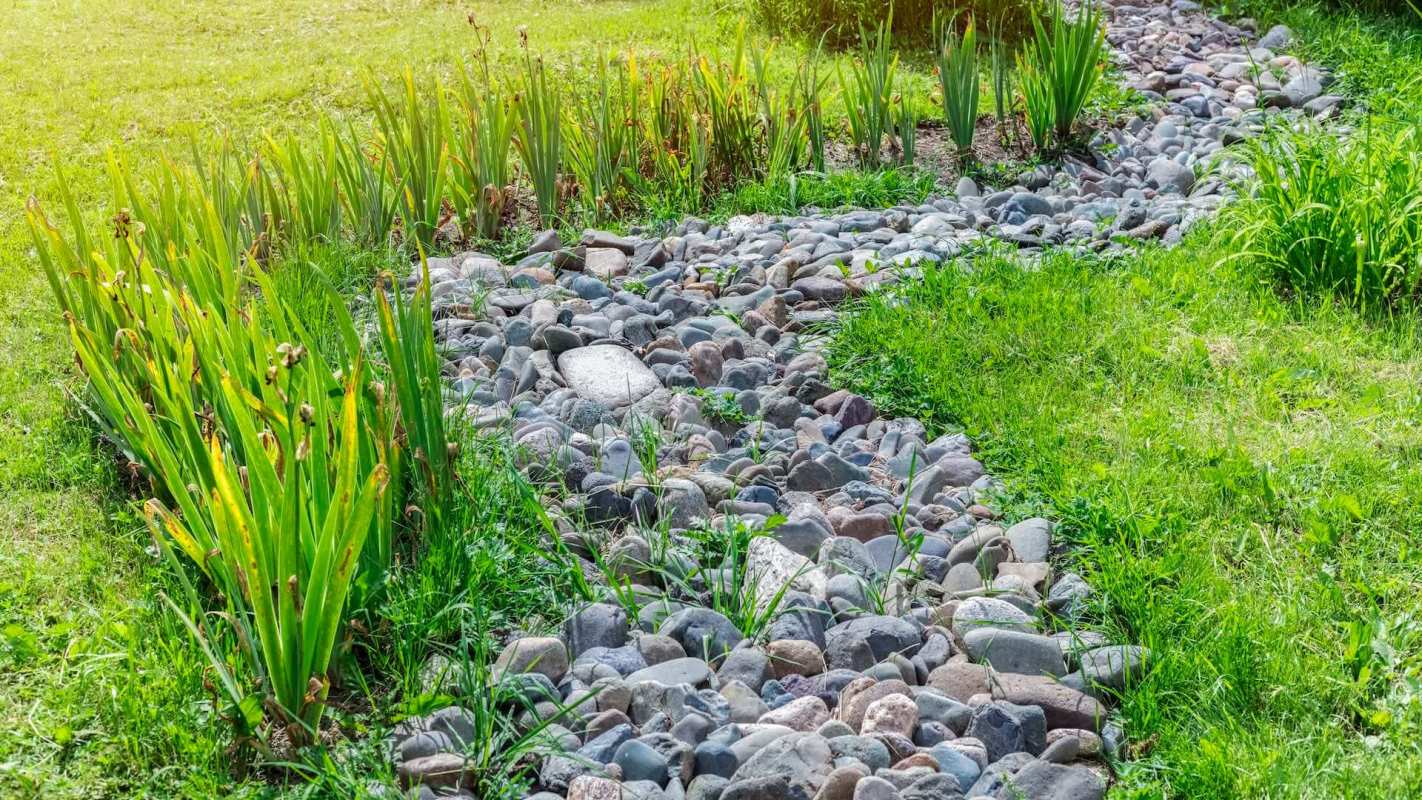
Most of us don't give a second thought to just how much water is wasted every time it rains, running into the street and eventually into a storm drain.
But there are highly effective ways to capture some of that rainwater and put it to use, and they don't require much outside of the initial effort.
1. Maintaining a dry creek bed
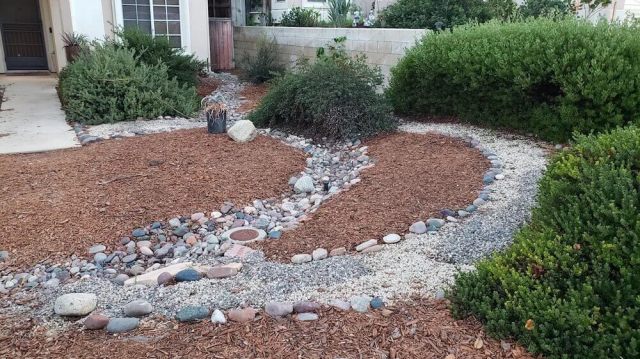
One California homeowner said they refuse to provide any extra water for the native plants in their yard, instead letting the dry creek bed they inherited when they bought the house take care of that for them.
It may not storm often, but when it does, the dry creek bed slows water flow so it soaks into the soil, and any water that doesn't soak into the soil is directed right to the plants, supplying all the water they need while at the same time reducing erosion.
Read more →
2. A large tank for watering
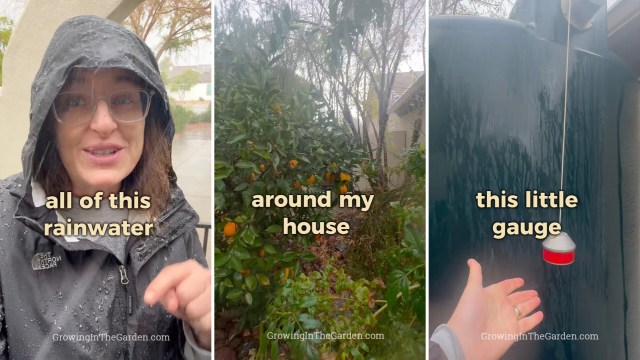
An Arizona resident went to great lengths to capture every drop possible in the rare event of a rainstorm. On one side of her house, her gutters usher the water into a large tank. When it's full enough, a pump allows her to switch off city water to irrigate her yard and use the captured rainwater instead.
Gutters that don't run to the tank direct water to shallow ditches where the water is captured and channeled to the plants in her yard.
Read more →
Save $10,000 on solar panels without even sharing your phone number Want to go solar but not sure who to trust? EnergySage has your back with free and transparent quotes from fully vetted providers that can help you save as much as $10k on installation. To get started, just answer a few questions about your home — no phone number required. Within a day or two, EnergySage will email you the best local options for your needs, and their expert advisers can help you compare quotes and pick a winner. |

3. Building a rain garden
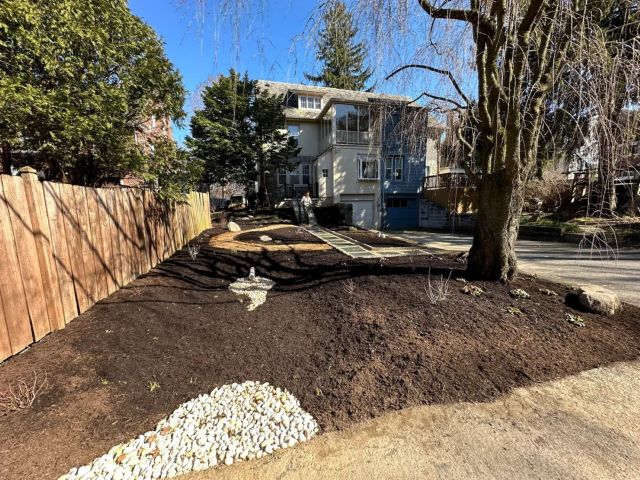
If you've got low points in your yard where water pools, or parts of your yard that require extra maintenance to stay green, a rain garden may be the answer.
A rain garden is designed to trap runoff and help it soak into the ground rather than washing into storm drains. Plus, it can add a beautiful element to a yard with very little maintenance necessary because the yard's natural contours do the work for you.
Read more →
4. Trapping rainwater with plants
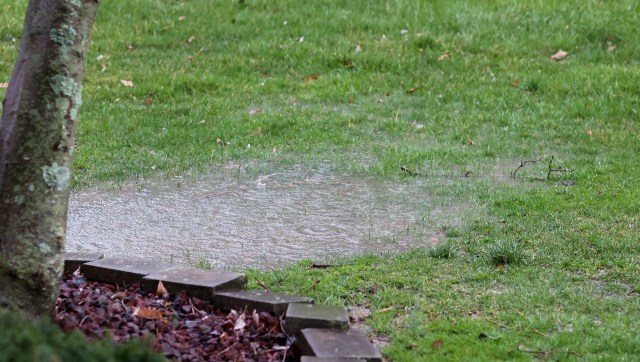
Of course, rainwater is going to feed any plant in its path, but you can strategically place plants for maximum effect — and a dual purpose.
A garden or plants lining a driveway will slow the run off and trap water, not only feeding the plants themselves, but also allowing water to seep into the soil, making its natural path to the water table, then into streams and rivers. This also helps to reduce the risk of flooding during heavy downpours.
Read more →
TCD Picks » Quince Spotlight
💡These best-sellers from Quince deliver affordable, sustainable luxury for all





Get TCD's free newsletters for easy tips, smart advice, and a chance to earn $5,000 toward home upgrades. To see more stories like this one, change your Google preferences here.
Cool Picks