


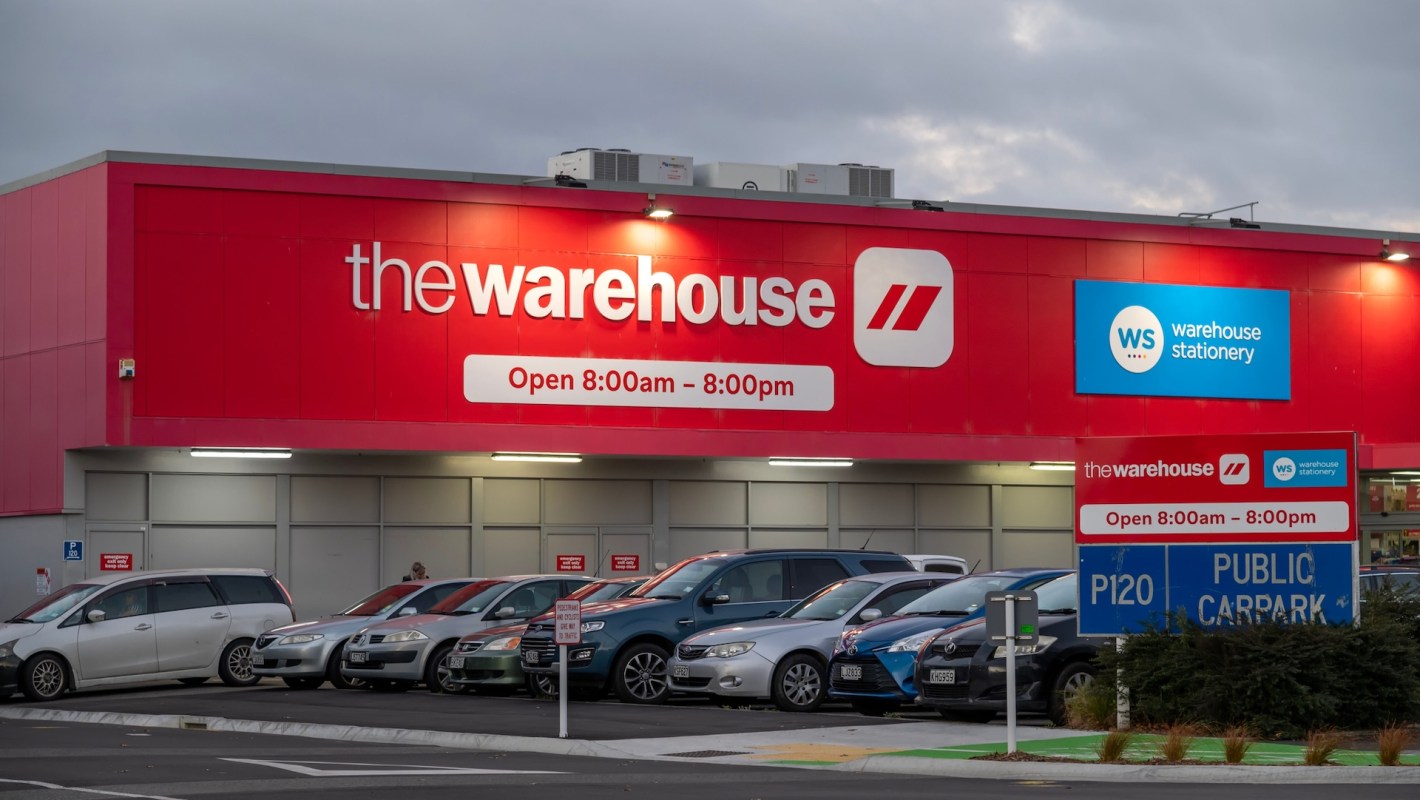
Job-security concerns surrounding automation have led more than 300 unionized workers to plan a strike at The Warehouse's New Zealand distribution centers.
Here's what to know
Employees in Auckland and Christchurch want contract terms that protect jobs when technology could reduce staffing. Distribution teams at the two locations planned to walk out for 24 hours, according to Newstalk ZB.
Workers First organizer Hayley Courtney cited stock-picking automation and alleged that artificial intelligence drones had already reduced the physical inventory team. She said employees want safeguards against job losses while supporting technology that improves efficiency.
Richard Parker, The Warehouse Group's chief people officer, disputed Courtney's account, pointing to three additional temporary roles in the stocktaking operation. He said the introduction of stocktaking drones had not caused any job losses.
"There are also no redundancies of permanent roles as a result of our new goods-to-person automation," Parker said.
More background
Courtney said finding another job could be difficult for many Auckland employees, who were older and had worked for the company for years.
TCD Picks » Quince Spotlight
💡These best-sellers from Quince deliver affordable, sustainable luxury for all




The dispute also included concerns about workplace monitoring. Parker denied union allegations that employees had relieved themselves on the floor to avoid having bathroom breaks tracked. He said scanning devices monitor efficiency but do not use AI or track bathroom use.
What's being done?
The union's proposed contract protections would prevent the company from introducing potentially job-cutting technology without union agreement. The mechanism would also require consultation, retraining, and redeployment for affected workers.
Parker said the business would seek to retrain and redeploy employees wherever possible, though he declined to guarantee future roles. He said consultation had taken place throughout the automation process but rejected giving the union authority over business strategy or technology decisions.
Parker said using drones means employees no longer need to work at height in machinery each night. He cited better stock accuracy and improved safety as benefits.
Parker said the company's pay proposal included hourly rates of NZ$31.19 to NZ$58.40, with a first-year increase of 3.5% followed by 3% in year two. The company anticipated no disruption to stores or customers.
"Warehouse workers are striking because they want assurances in their next contract and a say over what happens next," Courtney said. "They want to know they have a future here."
Where can I learn more?
The debate over automation at The Warehouse echoes concerns about job security and workplace monitoring elsewhere.
• Amazon has been accused of using AI to rank warehouses by union risk.
• U.S. workers have said AI tracks their tone, scores their days, and trains replacement bots.
• In India, workers wear forehead cameras so robots can learn their jobs.
• Nearly one-third of hiring managers say their companies rehired for jobs cut for AI.

Get TCD's free newsletters for easy tips, smart advice, and a chance to earn $5,000 toward home upgrades. To see more stories like this one, change your Google preferences here.






