


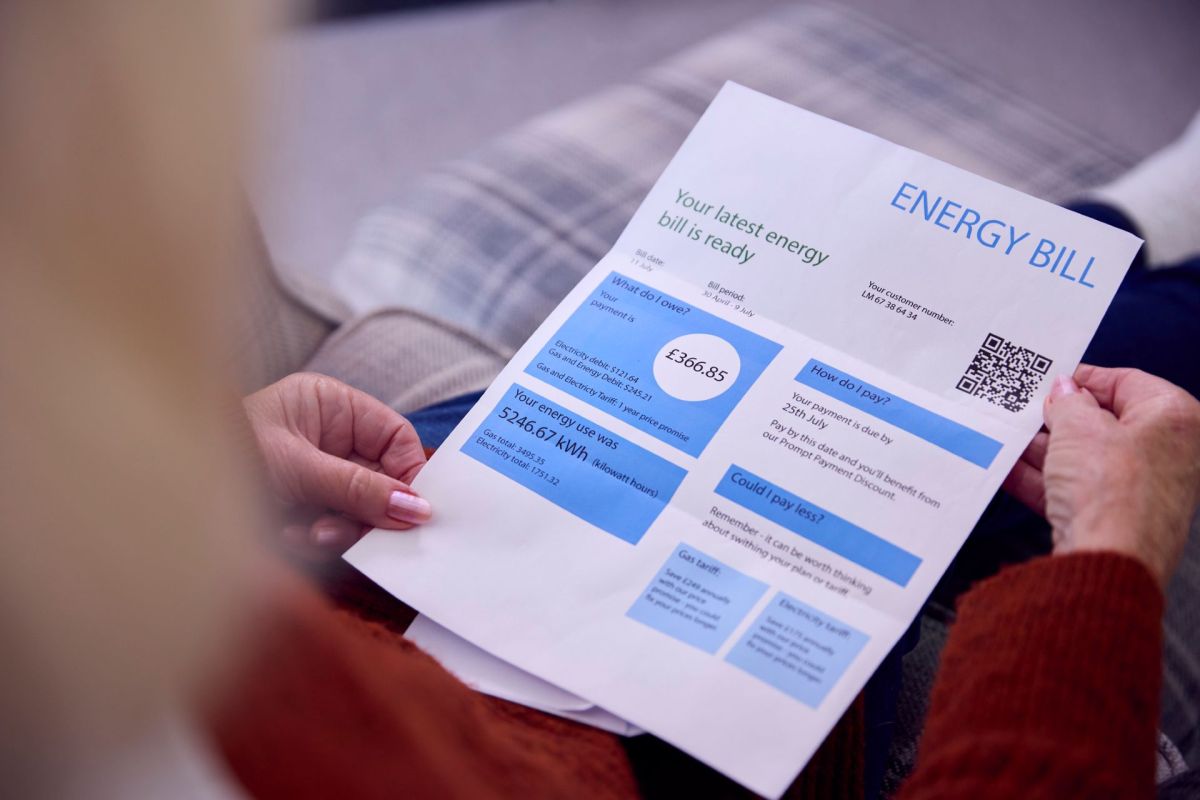
The government has ended VAT (value-added tax) on household electricity bills, a step intended to give British families some immediate help, according to GOV.UK.
In its announcement, ministers said the move should keep the yearly Ofgem price cap about £45 ($59) lower than it otherwise would have been.
With higher global energy costs putting pressure on households, the change is intended to ease some of the strain on monthly bills when home electricity use typically rises.
Here's what to know
The VAT cut was part of a broader effort to reduce everyday costs.
Ministers said households should see that relief during the period between October and December.
Actual savings will vary depending on how much electricity a household uses. Energy demand generally increases during colder months.
TCD Picks » Quince Spotlight
💡These best-sellers from Quince deliver affordable, sustainable luxury for all




Secretary of State for Energy Security and Net Zero Miatta Fahnbulleh believed the policy would give households "some much needed breathing space."
Because home energy pricing involves variations, the price-cap increase will not affect everyone directly. The government said roughly one-third of households are on fixed tariffs, meaning the cap rise would not influence their bills.
Those customers could still end up paying less overall if suppliers pass along the VAT reduction, as the government expects them to do. Prime Minister Andy Burnham presented the measure as immediate help on a bill many households worry about most.
"For many families, the energy bill is the one they dread the most," he acknowledged.
More background
Officials attributed the policy to rising global energy costs caused by conflict in the Middle East, saying the increase has added pressure to household budgets.
The government is also presenting the VAT cut as part of its wider "everyday fixes" agenda.
Other items in that package include a £2 ($2.64) cap on bus fares, action against fake discounts and subscription traps, a crackdown on school uniform rip-offs, and business rate cuts for pubs, social clubs, and high street businesses.
The government also linked the electricity bill change to support measures announced in last year's Budget.
Fahnbulleh noted that the VAT cut "follows the £150 of costs we removed from bills earlier this year," while the government said the £150 ($198) Warm Home Discount has been expanded to reach around 6 million households.
What's being done?
Beyond the immediate tax cut, the government said it is also trying to address the underlying drivers of high energy costs.
That includes plans for greater public control over the energy system and for a publicly owned unit within Great British Energy called the Great British Grid, or GB Grid.
The government said those reforms are intended to boost competition, help businesses get grid connections faster, and reduce costs.
It also pointed to Sizewell C, a nuclear power station, and investment in homegrown clean energy production as part of a strategy to reduce the country's exposure to global price shocks.
The government urged households to compare options for their home, noting that some fixed-rate customers could still benefit if suppliers pass on the VAT cut.
"From today, our VAT cut will give households some much needed breathing space, making the energy price cap £45 a year less than it would have been," Fahnbulleh added.
Where can I learn more?
For more on other efforts to lower energy bills, these articles look at steps households and policymakers are taking across the U.K. and Europe. They cover home solar and batteries, free upgrades, and broader clean-energy investments aimed at cutting costs.
• Across the U.K., rooftop solar and batteries could cut household power costs by 44%.
• Under a U.K. plan, free home upgrades could help millions lower bills.
• The U.K. government says billions for home upgrades could save households hundreds yearly.

Get TCD's free newsletters for easy tips, smart advice, and a chance to earn $5,000 toward home upgrades. To see more stories like this one, change your Google preferences here.






